If you’re dealing with bangs that look thin or even a little see-through, it doesn’t mean you need a whole new hairstyle. This is a super common issue, and luckily, it’s one you can fix. With just a few stylist-approved techniques, you can make your fringe look fuller and denser. Below, you’ll find simple, effective tips on how to make bangs thicker.
Key Takeaways
- Thin or see-through bangs are usually caused by sectioning mistakes, natural fine texture, oil, heat damage, cowlicks, or over-trimming.
- Lightweight styling tricks like a damp reset, side-to-side blow-drying, texturizing powder, and avoiding heavy creams can instantly make bangs look thicker.
- Small styling techniques such as bending the ends inward, adding soft facial texture, and using subtle color depth can create visual density.
- Long-term fullness often requires structural adjustments from a stylist, such as bringing more hair into the fringe or choosing a thicker-looking bang shape.
Why Do Your Bangs Look Thin or See-Through?
See-through bangs can happen for many reasons, and “bad hair” is rarely one of them. Most of the time, it comes down to technique, natural texture, or small styling habits. Here are the most common causes of thin-looking fringe:
The Fringe Section Was Cut Too Shallow
If the stylist did not bring enough hair into the bang section during the original cut, the fringe will not have enough density to cover the forehead. If you are asking yourself, “Why do my bangs look so thin?”, the problem may have started at the very beginning.
Common haircut issues include:
- Not enough hair taken into the bang section
- A triangle that is too narrow, too wide, or off-center
- Cutting dry hair without properly checking the line
You Have Fine Hair by Nature
Fine strands do not stack on top of each other very densely. Because of this, even a well-cut fringe can look slightly airy. The best solution is working with a stylist who understands fine hair and can choose a shape that naturally looks fuller.
Your bangs may look thin if you have:
- You have low density (not enough hairs)
- You have fine texture (thin strands)
- Or a combination of both
Product Buildup on the Hair
Leftover dry shampoo, hairspray, or heavy stylers can weigh bangs down and cause separation. When buildup sits right at the root, thinness becomes even more noticeable.
Signs of product buildup include:
- Bangs look greasy even right after washing
- Strands feel sticky or coated
- Roots look darker or waxy
Overuse of Heat Tools
Daily straightening, high heat while blow-drying, and frequent curling can cause breakage. When the ends weaken or thin out, the entire fringe starts to taper and lose fullness.
Ways to prevent heat-related thinning include:
- Using a lower temperature
- Applying heat protectant every time
- Air-drying when possible
- Trimming damaged ends as needed
- Limiting blow-drying to two or three times per week

Oil at the Roots
The forehead produces oil (sebum) that transfers directly to your bangs. Some people experience this more than others, depending on skin type, age, environment, and diet. Excess oil separates the fringe into small pieces that look thinner than they actually are.
If oil is causing see-through bangs, try the following:
- Wash your bangs separately when needed
- Avoid oils, serums, and thick creams on the fringe
- Blow-dry bangs immediately after washing
Cowlicks Causing Separation
Strong cowlicks can push bangs apart in the same spot every day. This natural separation exposes the forehead and makes the fringe appear sparse, even when your density is perfectly normal.
Cowlicks often cause bangs to:
- Split down the middle
- Separate into chunks
- Lift at the roots
- Refuse to lie flat
You cannot eliminate a cowlick, but you can manage it. The best approach is to:
- Blow-dry immediately after washing
- Use light-hold products for root control
- Work with a stylist who knows how to cut hair around a cowlick
- Consider a bang shape that suits your natural growth pattern
Over-trimming that leads to thin ends
Trimming bangs too often may seem like the way to keep them perfect, but it can remove the weight that makes them look full. Eventually, the ends look wispy instead of strong.
Signs you may be over-trimming include:
- Bangs look thick at the roots but skinny at the ends
- They separate into very small pieces
- Blow-drying no longer helps
- The bottom one to two inches looks frayed or airy
Quick Fixes to Make Bangs Look Thicker
These are the fastest ways to make thin or see-through bangs instantly look fuller. Here are the quick tips on how to get thicker bangs.
Use a Damp Reset + Side-to-Side Blow-Dry
If your bangs are lying too flat or separating, lightly mist them with water to reset the shape. Then blow-dry them side to side, moving the hair in the opposite direction of how it naturally falls.
This lifts the roots, disrupts separation, and gives the fringe a puff of volume that looks instantly thicker. Finish by directing them forward so they can settle into place.
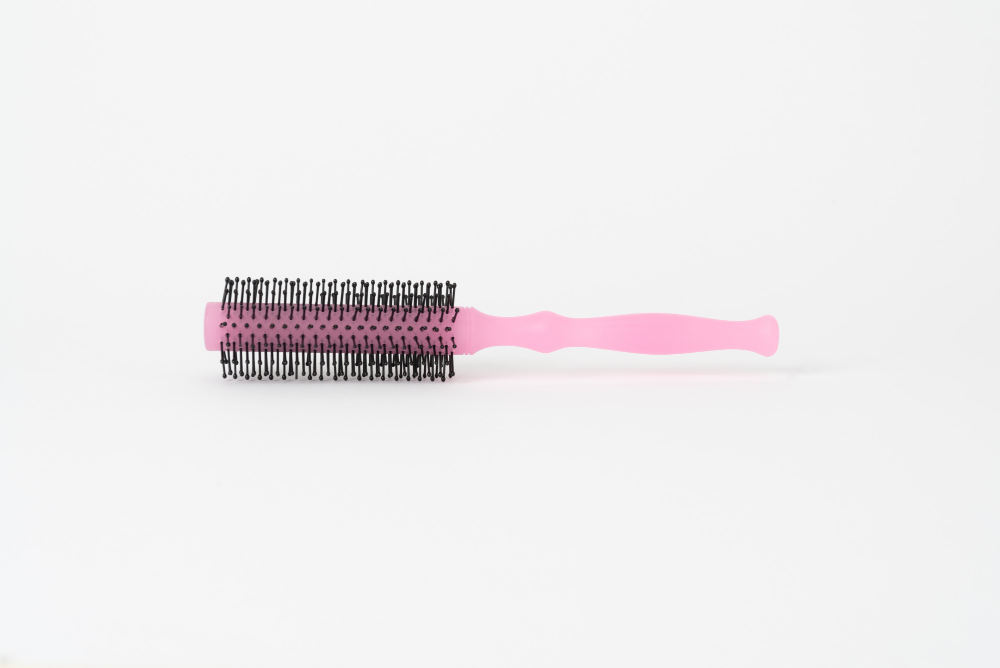
Add Volume to Bangs with a Round Brush or Velcro Roller
While drying, use a small round brush to pull the roots upward and forward. This creates a subtle curve that builds fullness instead of letting the fringe hang straight down.
If you prefer less effort, place a Velcro roller in your bangs while they cool. It sets the shape and adds airy lift without heat.
Use a Texturizing Powder or Dry Shampoo to Eliminate Separation
When bangs look piecey, it is usually because they are too slippery. A light dusting of texturizing powder or a mist of dry shampoo gives both grip and lift.
It also reduces shine at the roots, which makes thin areas less noticeable.
Try Gentle Root Backcombing
Micro-teasing at the base of your bangs is an old-school stylist trick that still works. Lift a thin section, tease only the root area with a few soft strokes, then smooth the top layer so nothing looks obvious.
When done correctly, this creates a cushion of volume that supports the fringe and makes it appear much denser.
Avoid Heavy Styling Creams and Oils
Anything oily or creamy will weigh bangs down and cause them to separate. If your fringe already runs thin, treat those products like the enemy.
They flatten volume and undo all your hard work. Stick to lightweight stylers that enhance movement.
Styling Techniques to Make Bangs Thicker
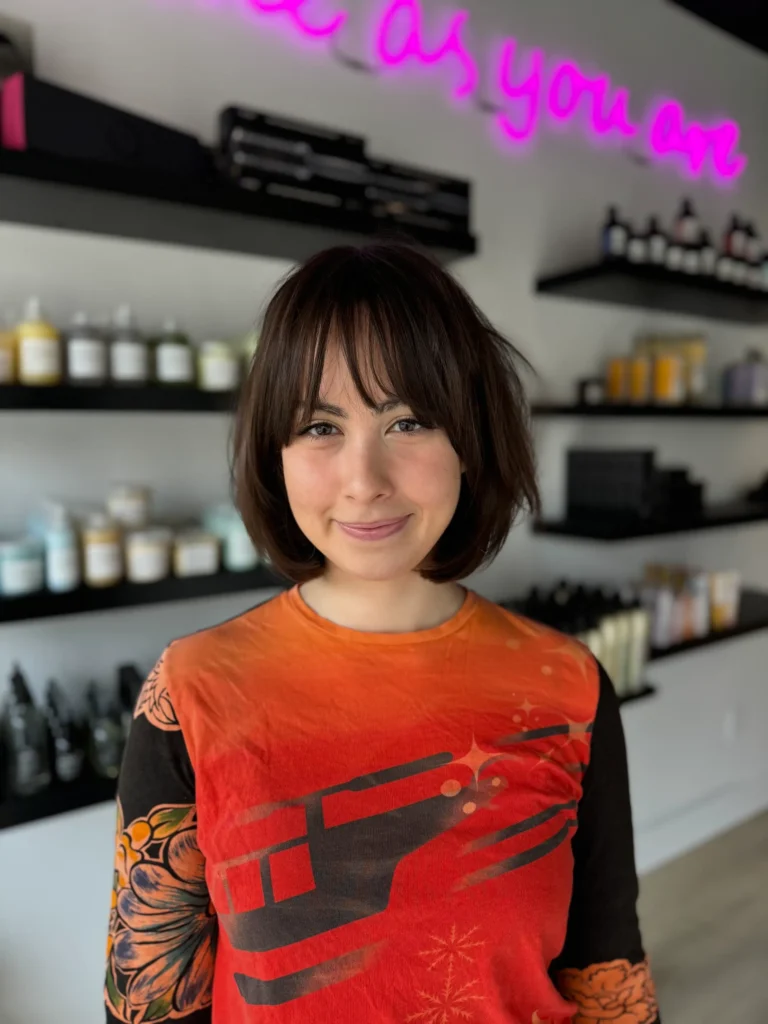
These techniques will not change your actual hair density, but they can make your bangs look fuller by adjusting shape, movement, and contrast.
Bend the Ends Inward (Not Straight-Down)
When bangs fall pin-straight, they tend to look flatter and more see-through. Giving the ends a slight inward bend makes the fringe curve toward the forehead. With this bend, you create the illusion of more weight. Even a small bend can add softness and fullness.
Blow-Dry Your Bangs Off-Center First
If your bangs naturally split or look sparse in the middle, start by blow-drying them off-center. This encourages the roots to lift instead of parting. Once the hair is dry, guide your bangs back to your usual placement. They will settle with more cohesion and density instead of falling into a thin, separated line.
Add Soft Texture Around the Face
A little wave or movement near the cheekbones can make a big difference for thin-looking bangs. Soft texture draws the eye outward, which makes the fringe appear thicker. Whether you use a curling wand or add a quick blowout bend, gentle waves create balance and give the entire front section a fuller and more dimensional look.
Use Color for Depth
One of the oldest celebrity tricks is subtly deepening the hair just underneath the fringe. A slightly darker base makes the bangs appear denser because there is less contrast between the hair and the scalp.
This does not require dramatic color changes. Even a soft lowlight or subtle shadowing effect can add instant depth without looking obviously colored.
Longer-Term Fixes for Sparse Bangs

If your bangs consistently look thin, no matter how well you style them, a few structural adjustments can make a long-lasting difference.
These are not at-home fixes. A professional stylist should handle these changes to ensure the shape and density work with your overall haircut.
Ask Your Stylist to Bring More Hair into the Fringe Section
Sometimes the root issue is simply that the bang section was not cut from a deep enough area. A stylist can bring a bit more hair into the fringe to create natural density and better coverage.
Always consult a stylist for this. Bringing hair forward affects balance, weight distribution, and face-framing. You want someone who understands how these changes influence the entire haircut.
Pick Bang Shapes That Look Thicker
If your hair is fine or your bangs tend to separate, certain shapes naturally look denser. These styles often work well:
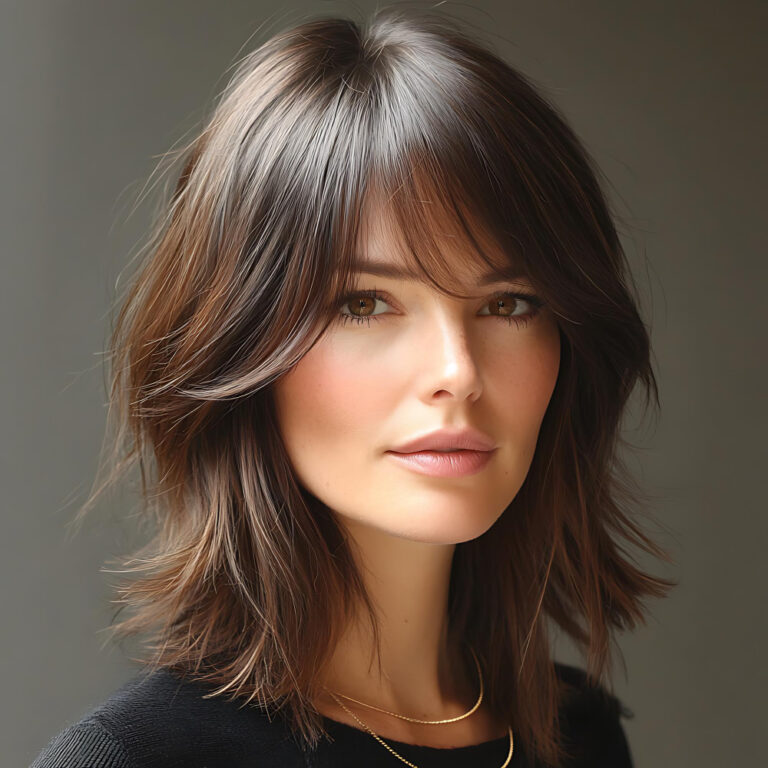
- Micro Curtain Bangs: A soft center split with enough overlap to avoid see-through gaps
- Soft Side Fringe: Sweeping direction hides thin spots and adds volume at the root
- Wispy-But-Not-Sparse Textured Fringe: Airy movement without losing density
- Airy Korean-Inspired Fringe: Gentle curves and blended sides make thin hair look intentional
Blunt and heavy bangs are usually not ideal for thin hair because they highlight gaps. These shapes work best for people with natural density.
Avoid Over-Trimming (Every 4-6 Weeks Is Enough)
It is tempting to keep bangs perfectly crisp, but trimming them too often can actually make them look thinner.
Each trim removes a small amount of weight from the ends. If this happens every week or two, the fringe eventually loses fullness and begins to taper into wispy pieces.
A trim every 4 to 6 weeks allows the hair to maintain enough length and density at the bottom to look soft, solid, and full.
When Thin Bangs Need a Cut Correction
Sometimes, styling tricks can only do so much. If your bangs have uneven thinning, too much razor work, heavy texturizing, or were cut too far forward, the structure itself may be causing the see-through look. These issues need a professional correction to rebuild weight, balance, and shape.
Book a bang trim with a stylist at Artists and Architects Salon if you want a fuller fringe that fits your face.
FAQ
Why do my bangs look thinner in photos than in real life?
Bright lighting, flash, and camera angles can reflect off the scalp and exaggerate separation. Flat, straight-down bangs show more shine, which makes thin areas more visible. Adding root lift or a slight inward bend helps bangs photograph fuller.
Can bangs get thinner with age?
Yes. Hair density naturally decreases over time, and hormonal changes can make the fringe area finer. This does not mean bangs stop working—adjusting shape, section depth, and styling approach usually restores fullness.
Why do my bangs look wispy even though the rest of my hair feels thick?
Many people have less density at the hairline than through the crown. Over-trimming, heavy texturizing, or heat damage can thin just the fringe area. A cut correction or bringing more hair into the bang section typically fixes this.
Final Thoughts on Making Bangs Thicker
Thin bangs do not mean you chose the wrong hairstyle. Most of the time, the issue comes down to technique, shape, or minor habits that can be easily corrected with the right approach. A few simple styling tweaks can completely transform how full and intentional your bangs look.